

Free shipping
Available, delivery time: 5 days
Available, delivery time: 5 days

Available, delivery time: 1-3 days
Free shipping
Available, delivery time: 5 days
Free shipping
Available, delivery time: 5 days
Free shipping
Available, delivery time: 1-3 days
Free shipping
Available, delivery time: 1-3 days
Free shipping
Available, delivery time: 1-3 days
Free shipping
Available, delivery time: 1-3 days
Free shipping
Available, delivery time: 5 days
Free shipping
Available in 3 days, delivery time 1-3 days
Free shipping
Available in 3 days, delivery time 1-3 days
Available, delivery time: 5 days
Free shipping
Available in 3 days, delivery time 1-3 days
How to find the right amplifier
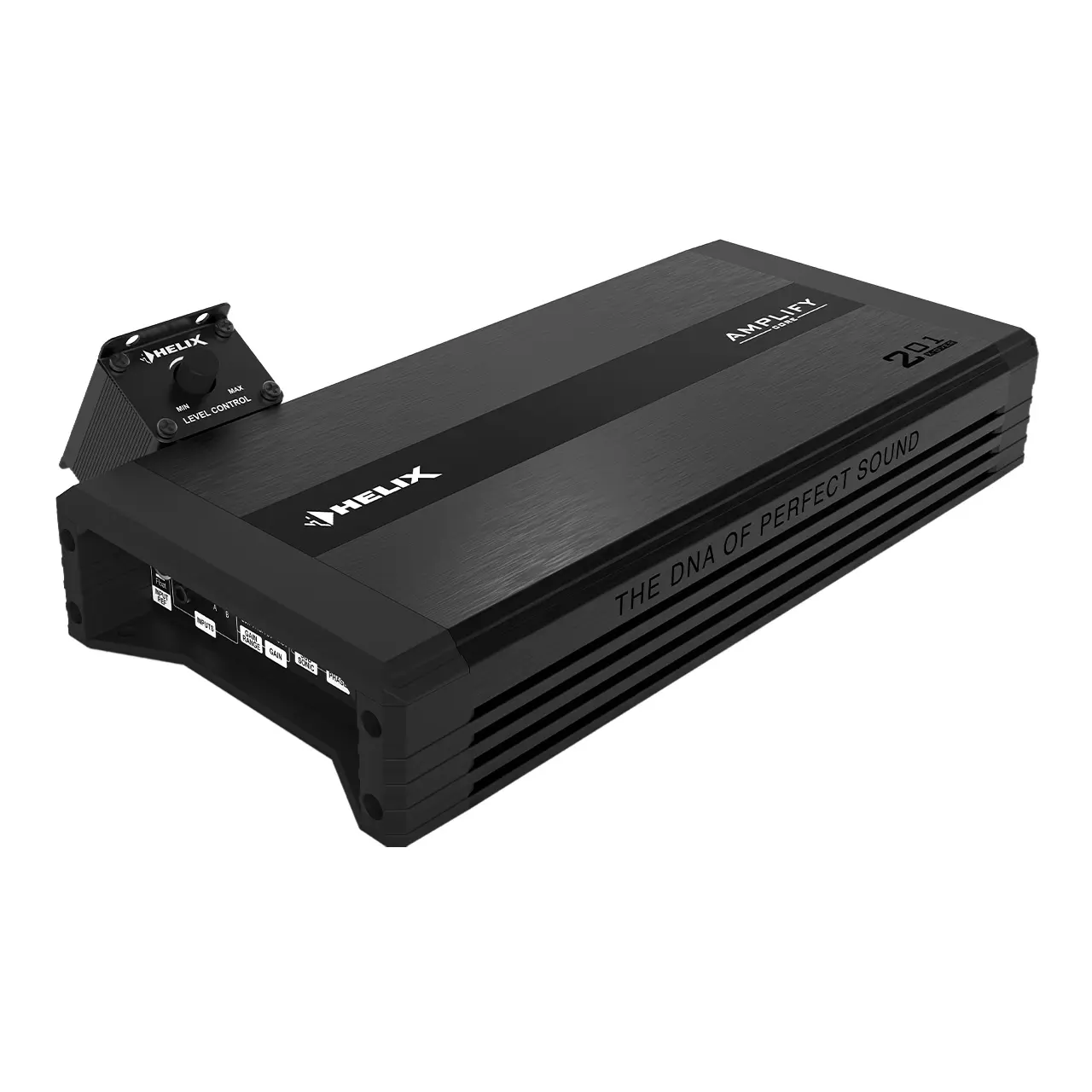
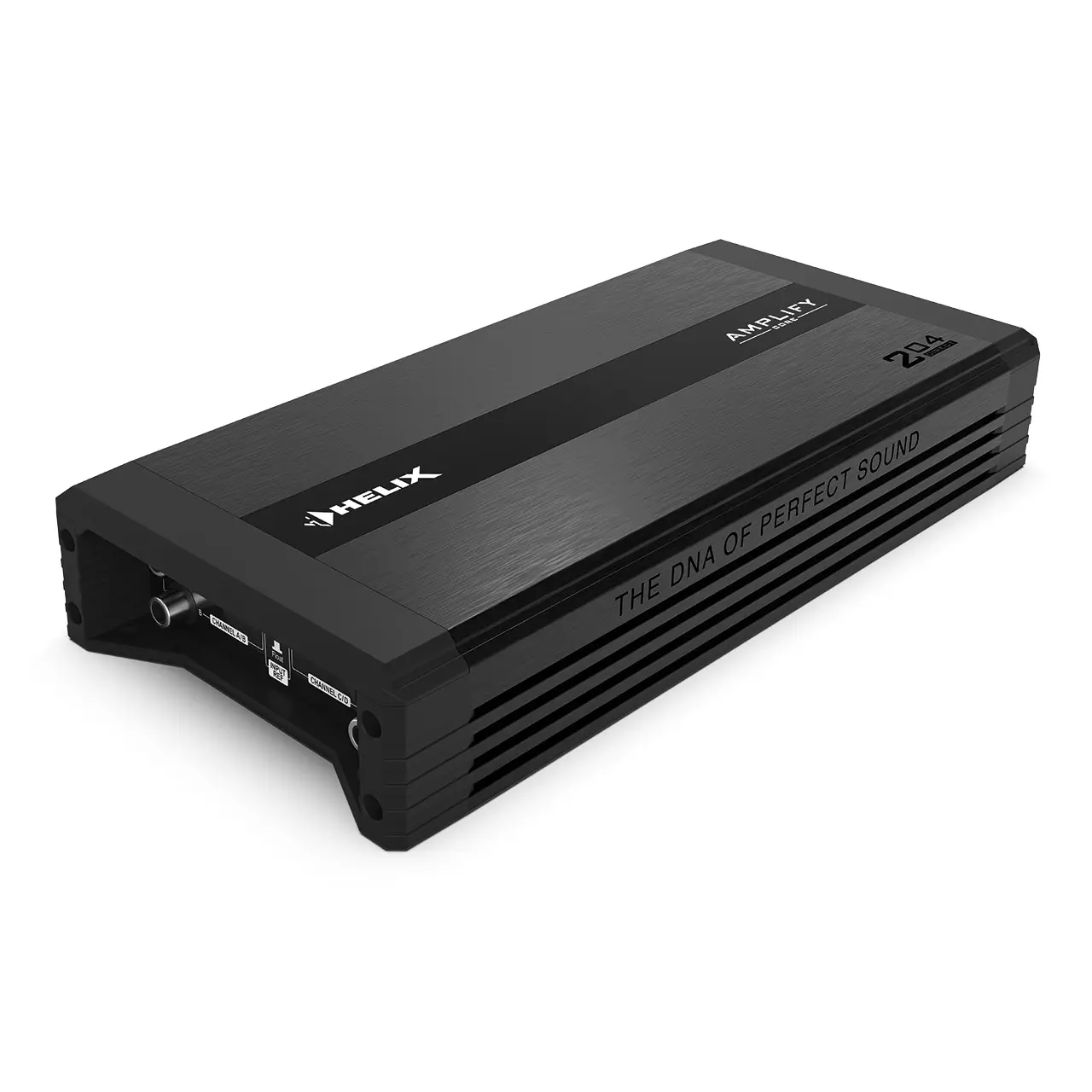
2-channel amplifier
On the one hand, it's the entry point – on the other hand, it's the pinnacle of the car audio world. If, for example, you only want to boost the power of your front speaker system, you simply get a 2-channel amplifier and you're done.
Special models of this type can drive very complex loudspeaker systems thanks to their high current delivery capacity, delivering a great deal of power. However, they require very high-quality external passive crossovers, which makes their use very inflexible.
It is also possible to control several 2-channel amplifiers with an external processor and then combine them to create a high-quality audio system tailored to the specific requirements of the respective speakers. This allows you to reach every sonic peak, but at the cost of extremely complex cabling.
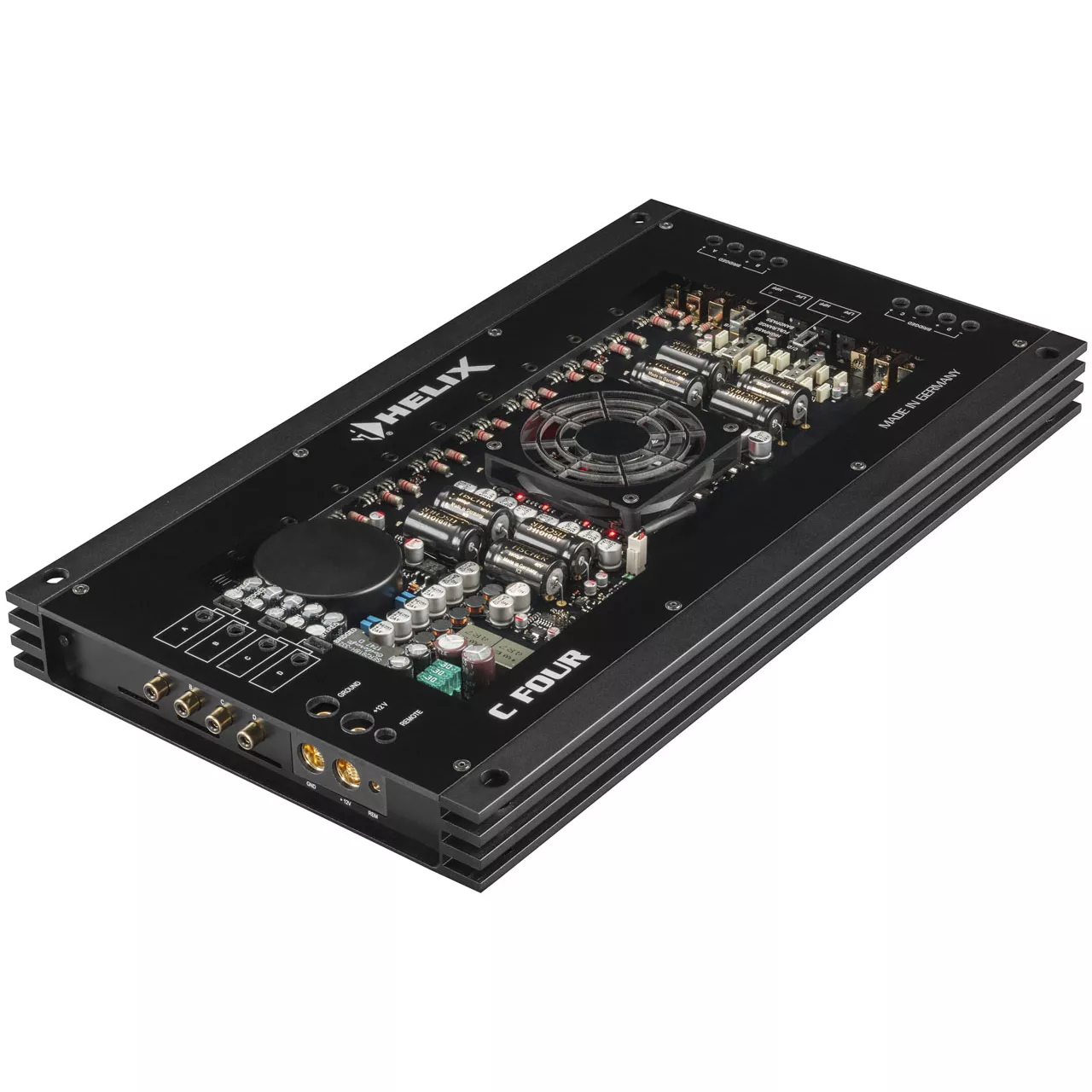
4-channel amplifier
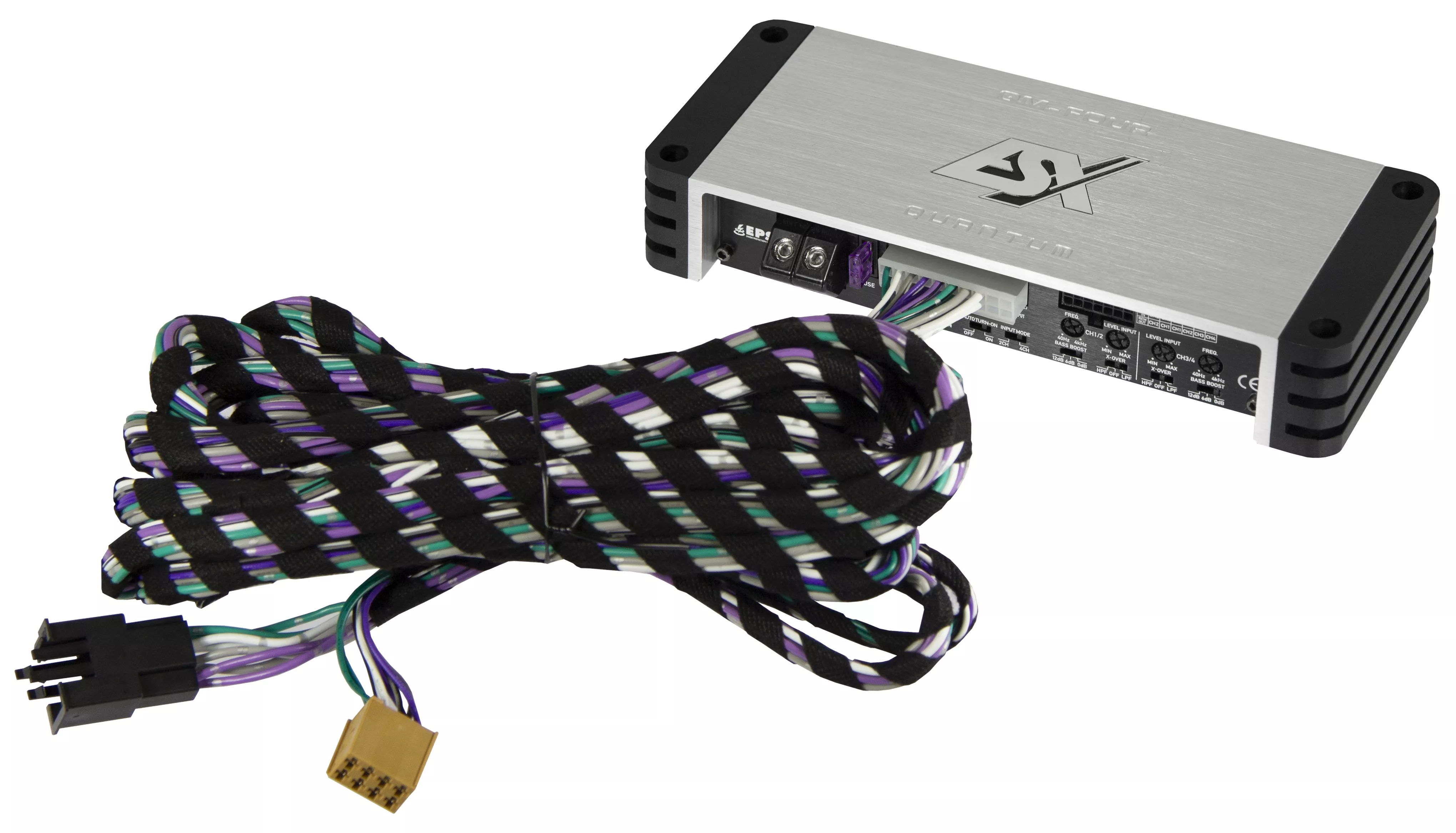
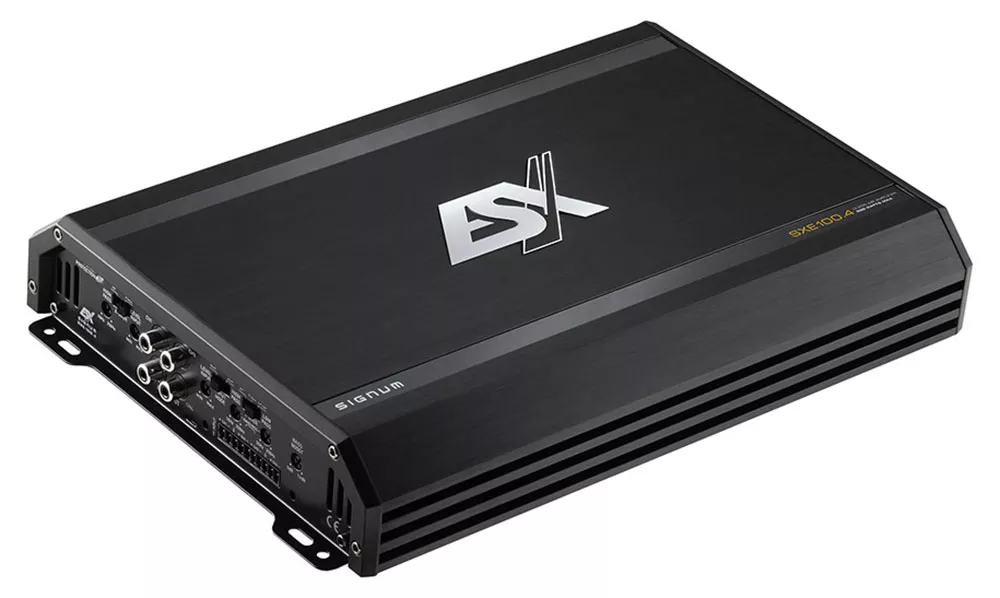
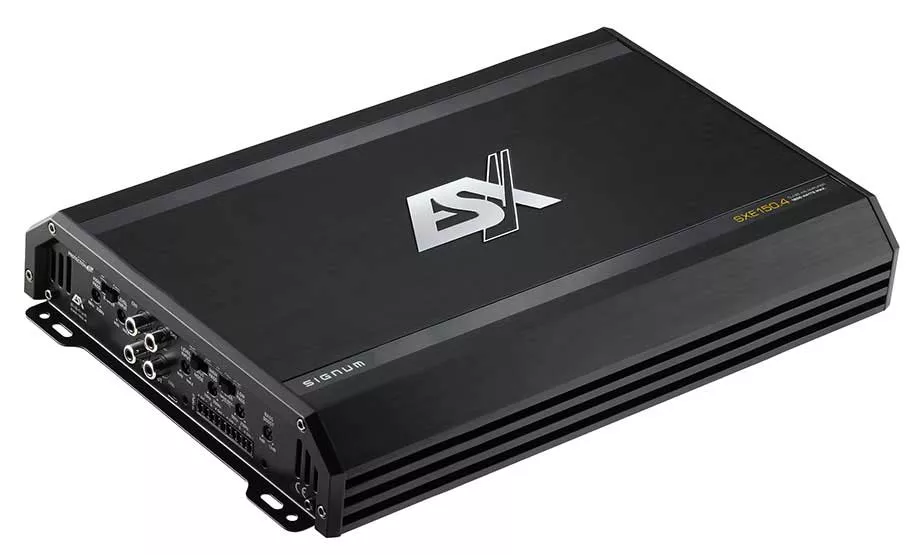
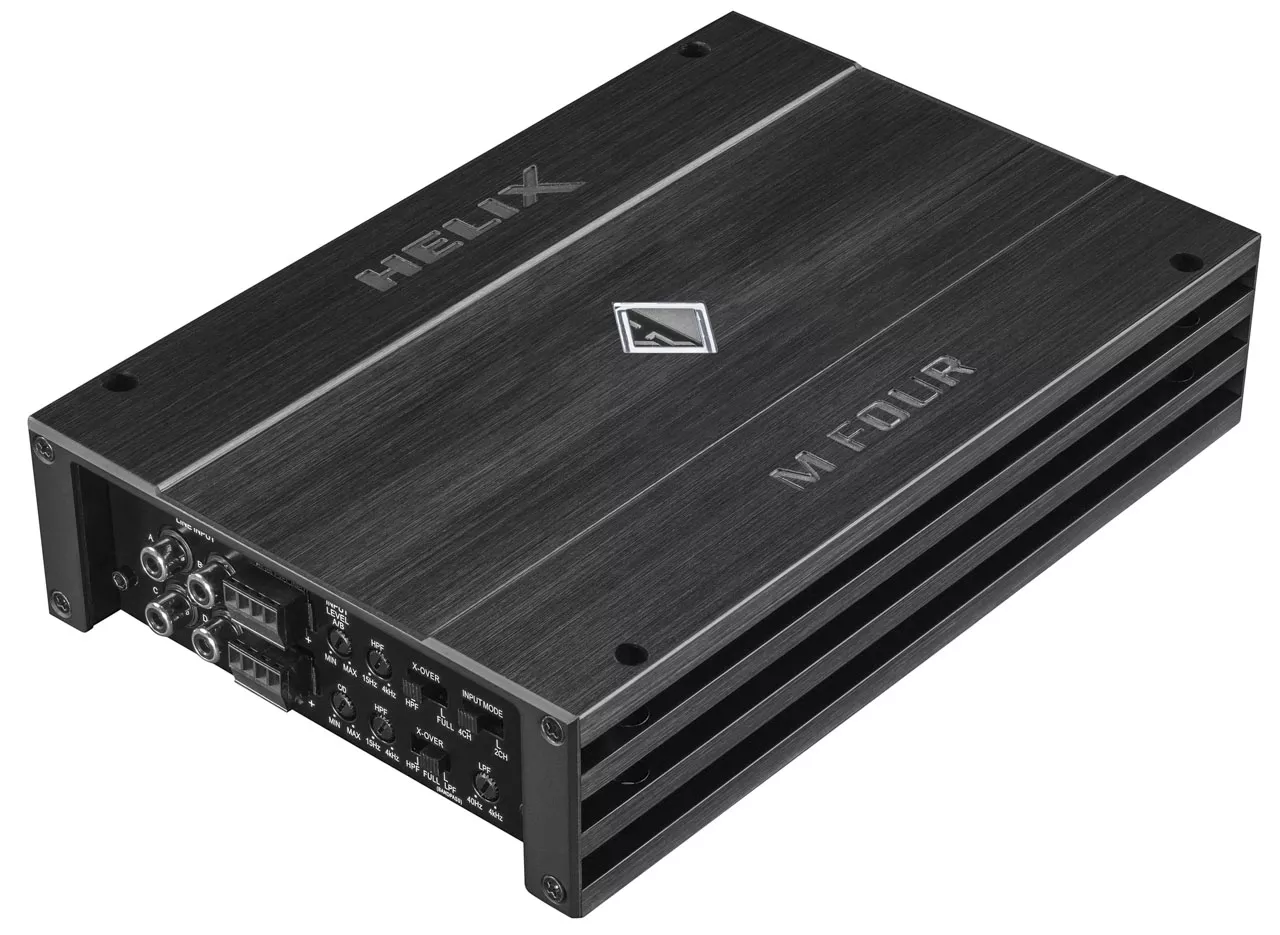
Do you want to install new front speakers and a subwoofer? Then we recommend a 4-channel amplifier. Two channels power the front speakers, and the other two take care of the subwoofer. Alternatively, this type of amplifier can also power both the front and rear speakers in your car.
Multi-channel amplifier
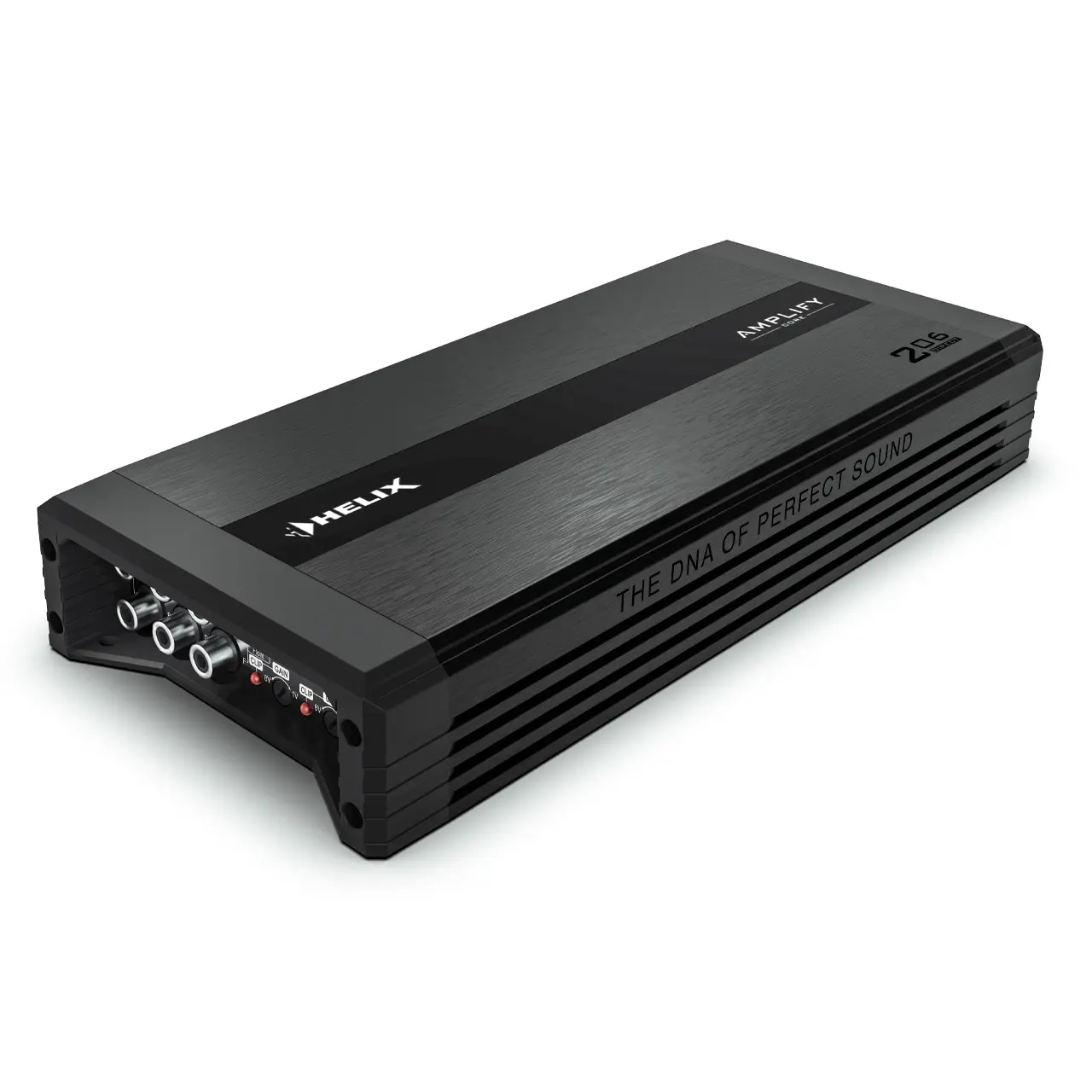
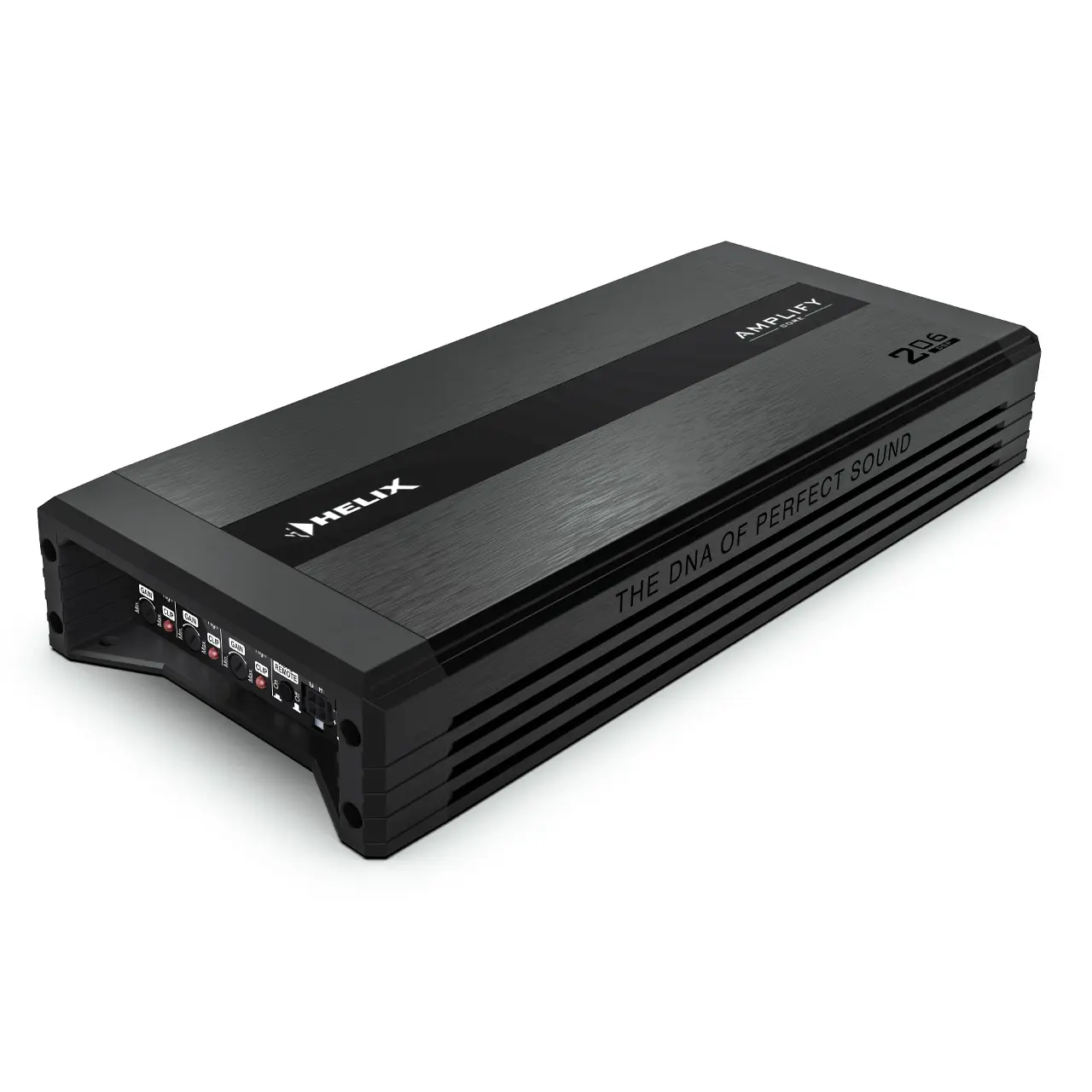
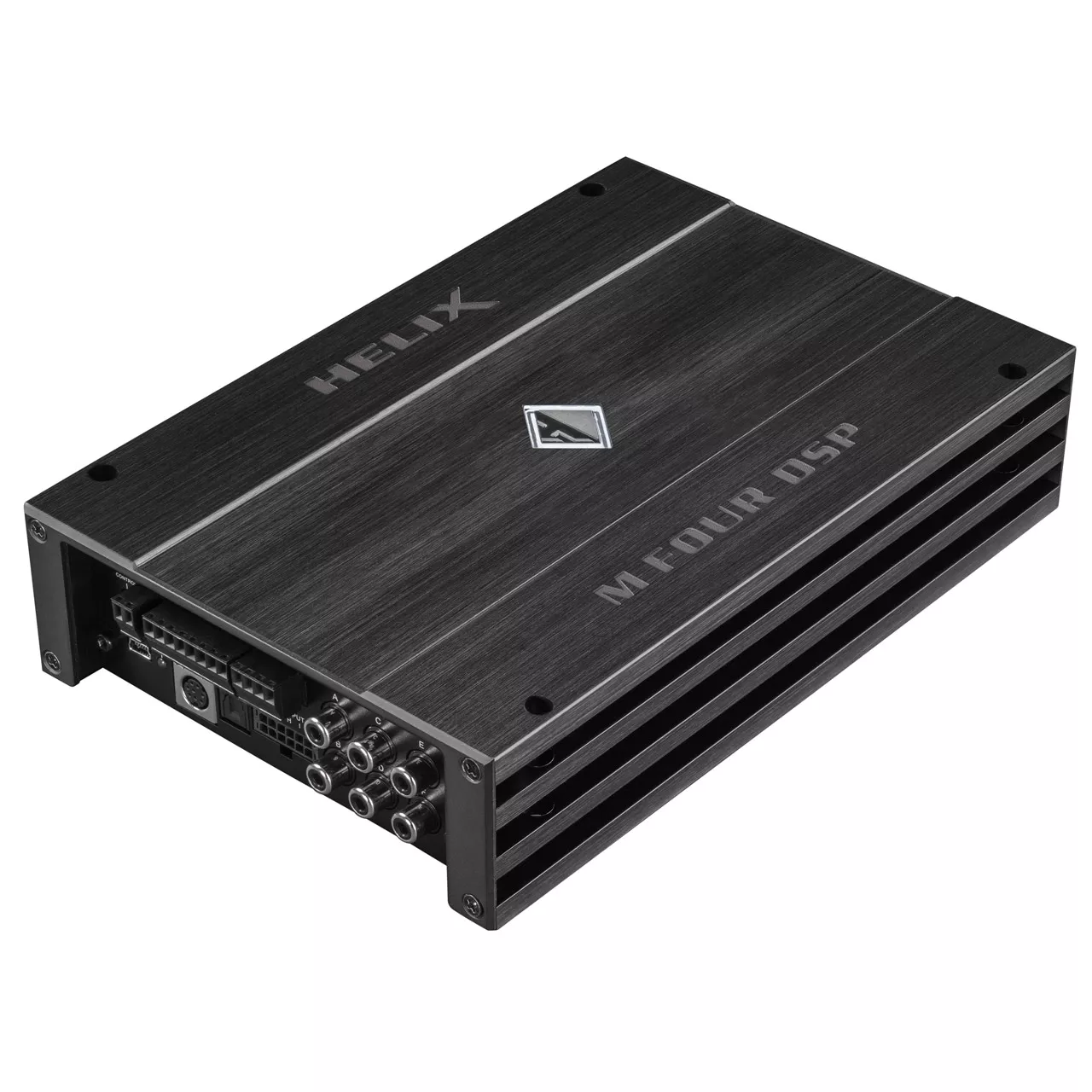
They are the all-rounders among amplifiers, as the number of channels varies considerably. With five channels – our current most popular design – both the front and rear speakers, as well as a subwoofer, can be amplified. This allows you to power all speakers with just one amplifier, significantly reducing installation effort. With up to 18 channels and built-in DSP, you can operate highly complex speaker installations with minimal wiring.
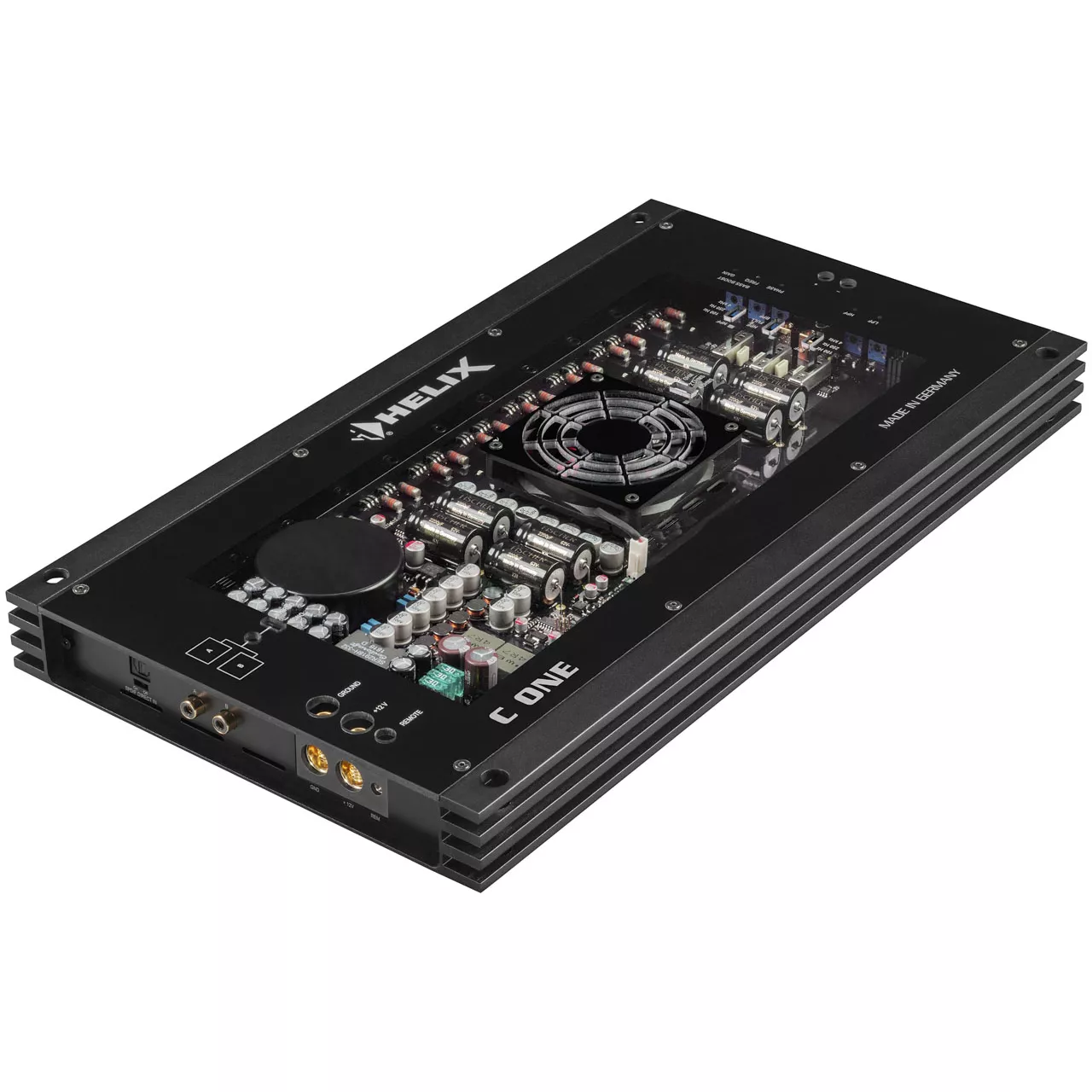
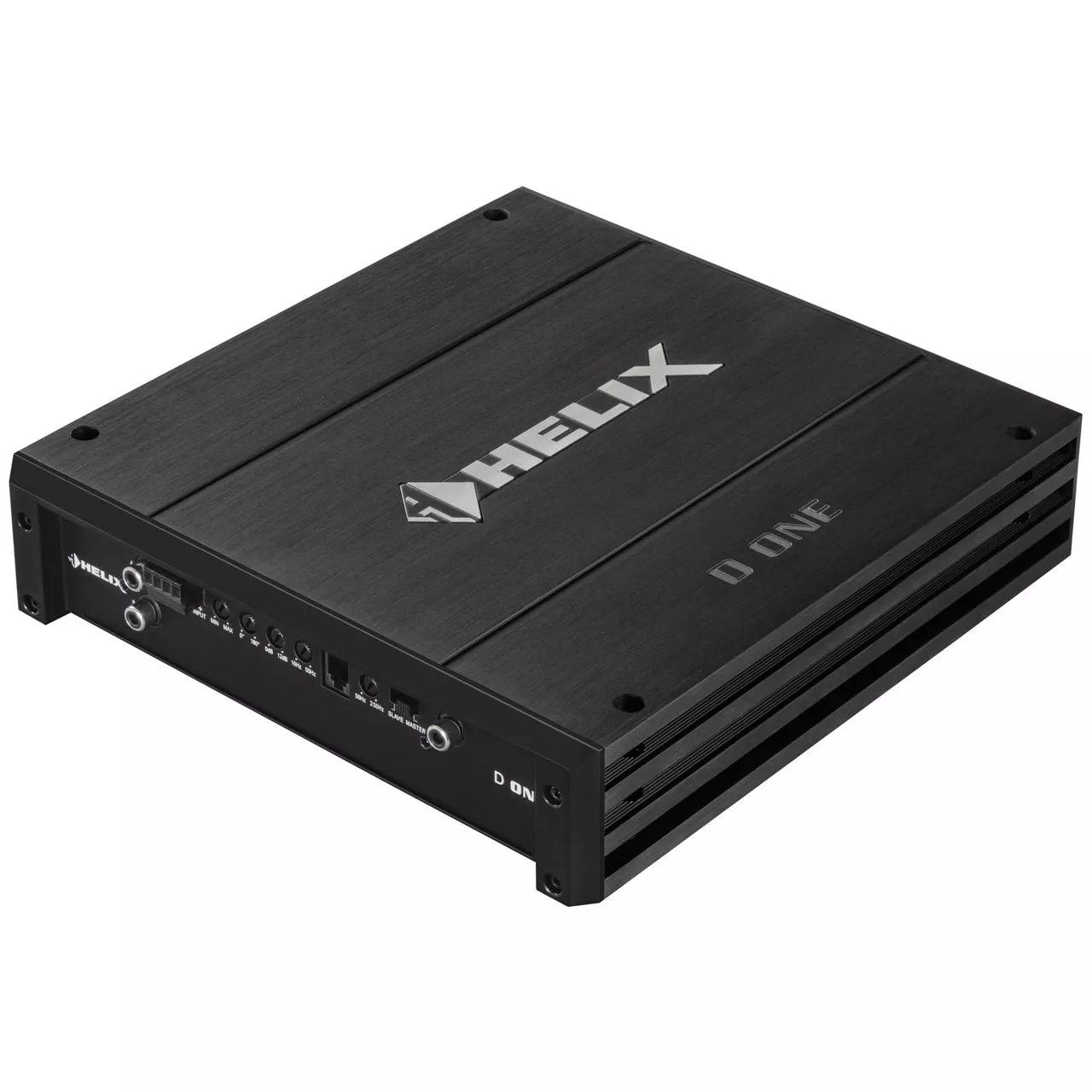
1-channel amplifier
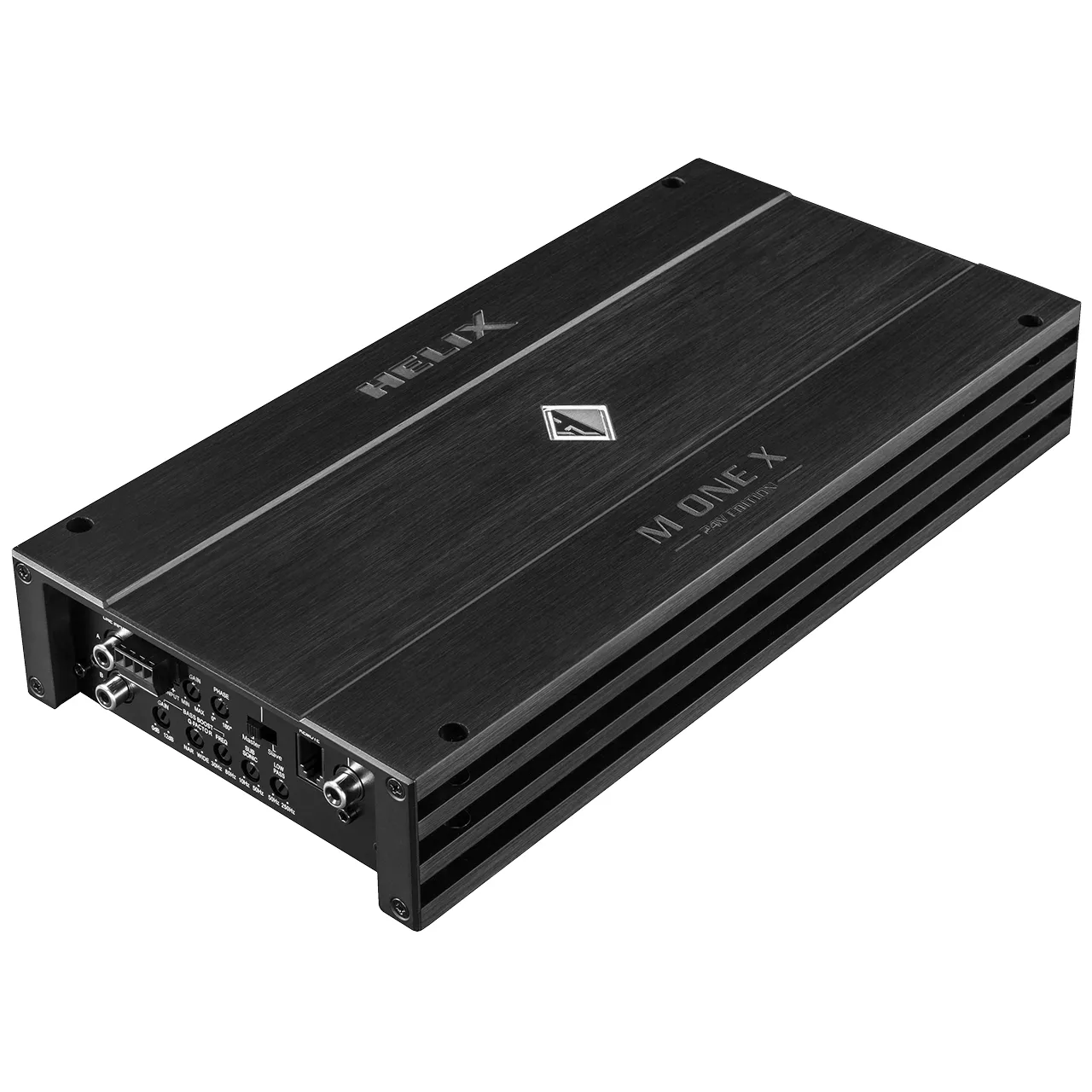
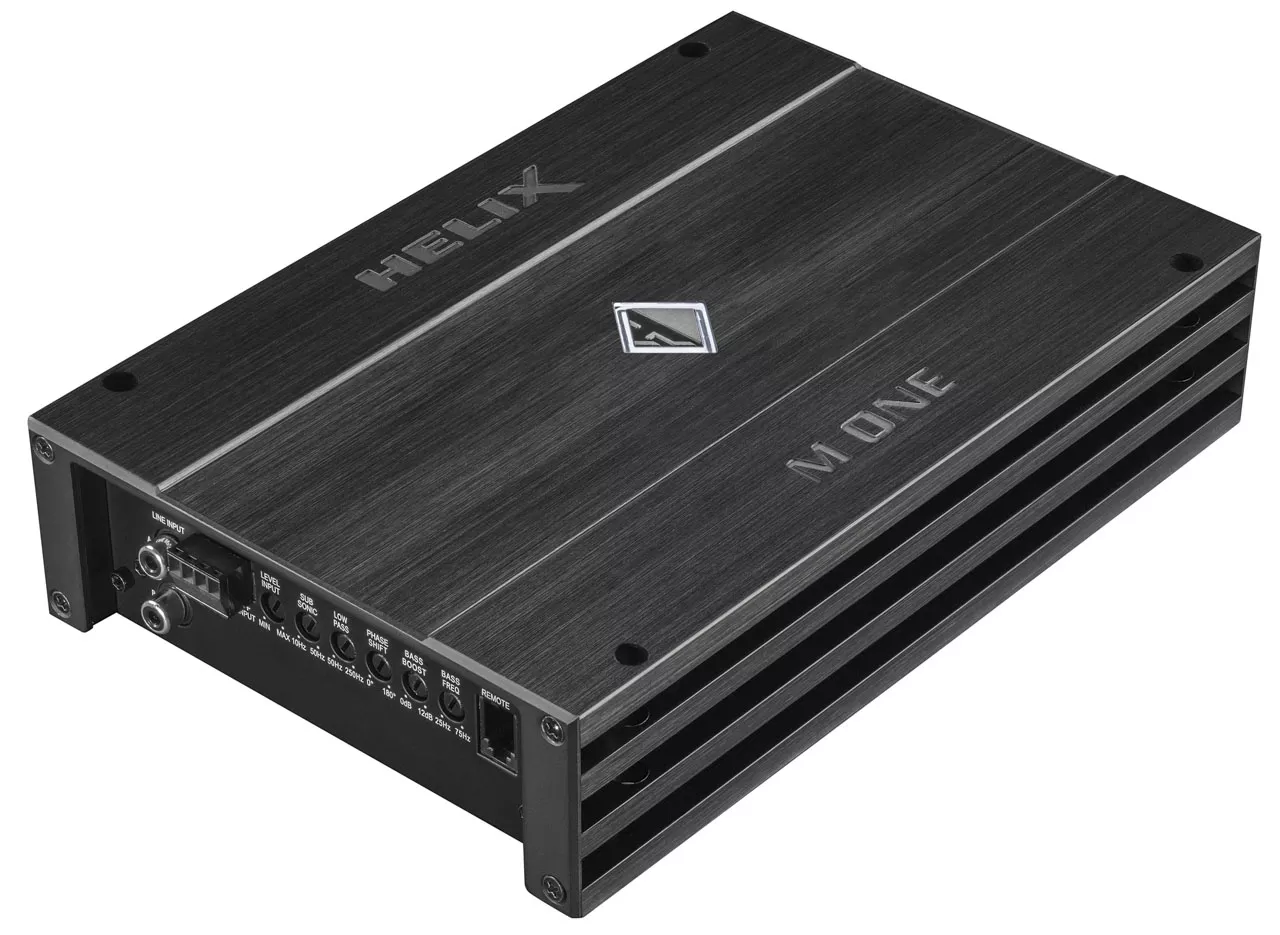
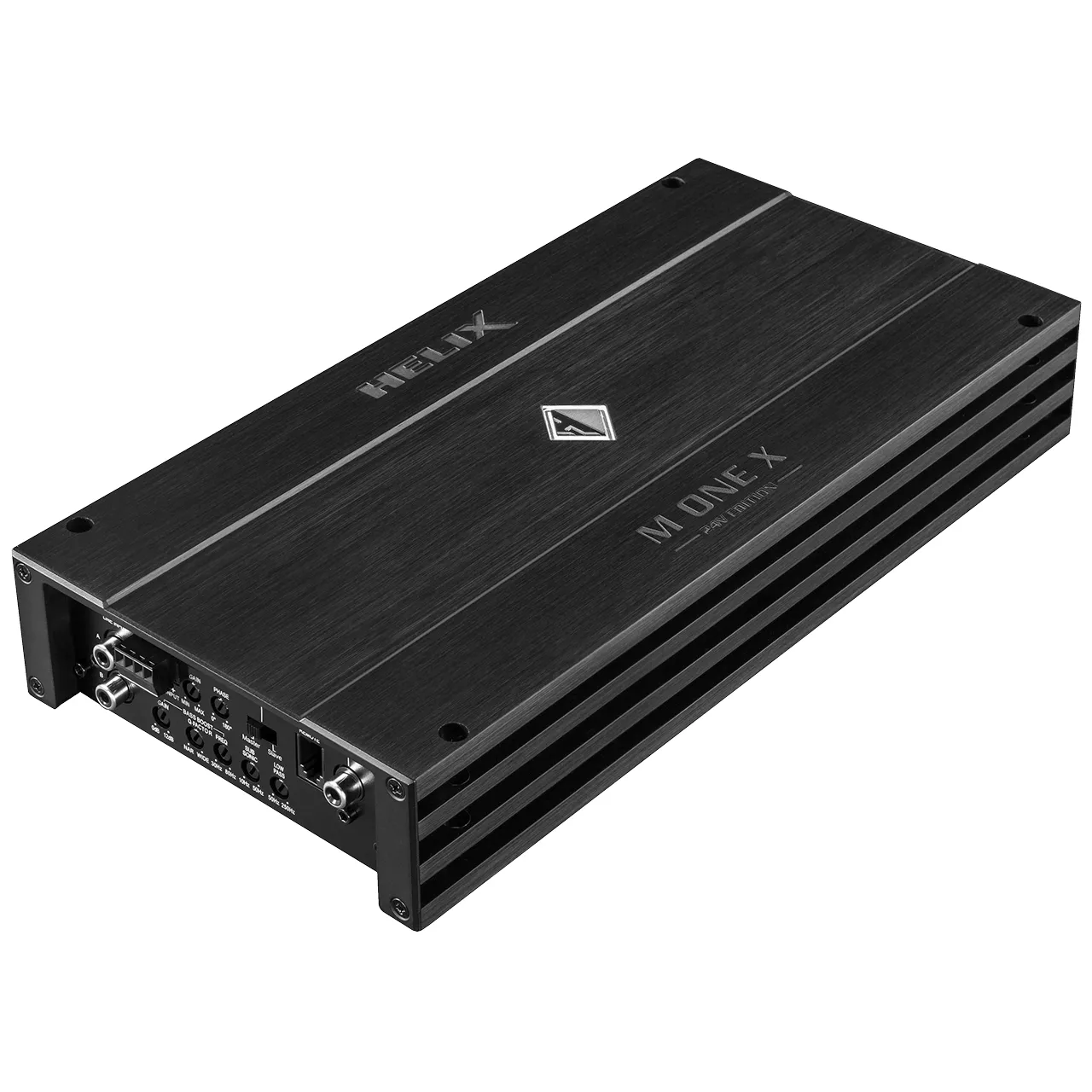
The monoblock amplifier is specifically designed for powering a subwoofer. These amplifiers typically have very high power output and a particularly high damping factor (providing good control for the subwoofer and tight bass).
Combinations
All these amplifier types can now be combined in any way you like. For example, a 4-channel amplifier for the front and rear speakers and a monoblock amplifier for the subwoofer. Or a 6-channel amplifier with four channels actively powering the front system and two channels driving the rear system, paired with a stereo amplifier to power the two subwoofers. The possibilities are numerous, depending on your requirements and budget.
What is actually the difference between an amplifier and a power amplifier?
In car audio, there's no difference. While home audio systems use integrated amplifiers, preamplifiers, and power amplifiers, in car audio, the radio acts as the preamplifier. Therefore, a separate power amplifier is still required.
Do I always need a radio in my car to listen to music?
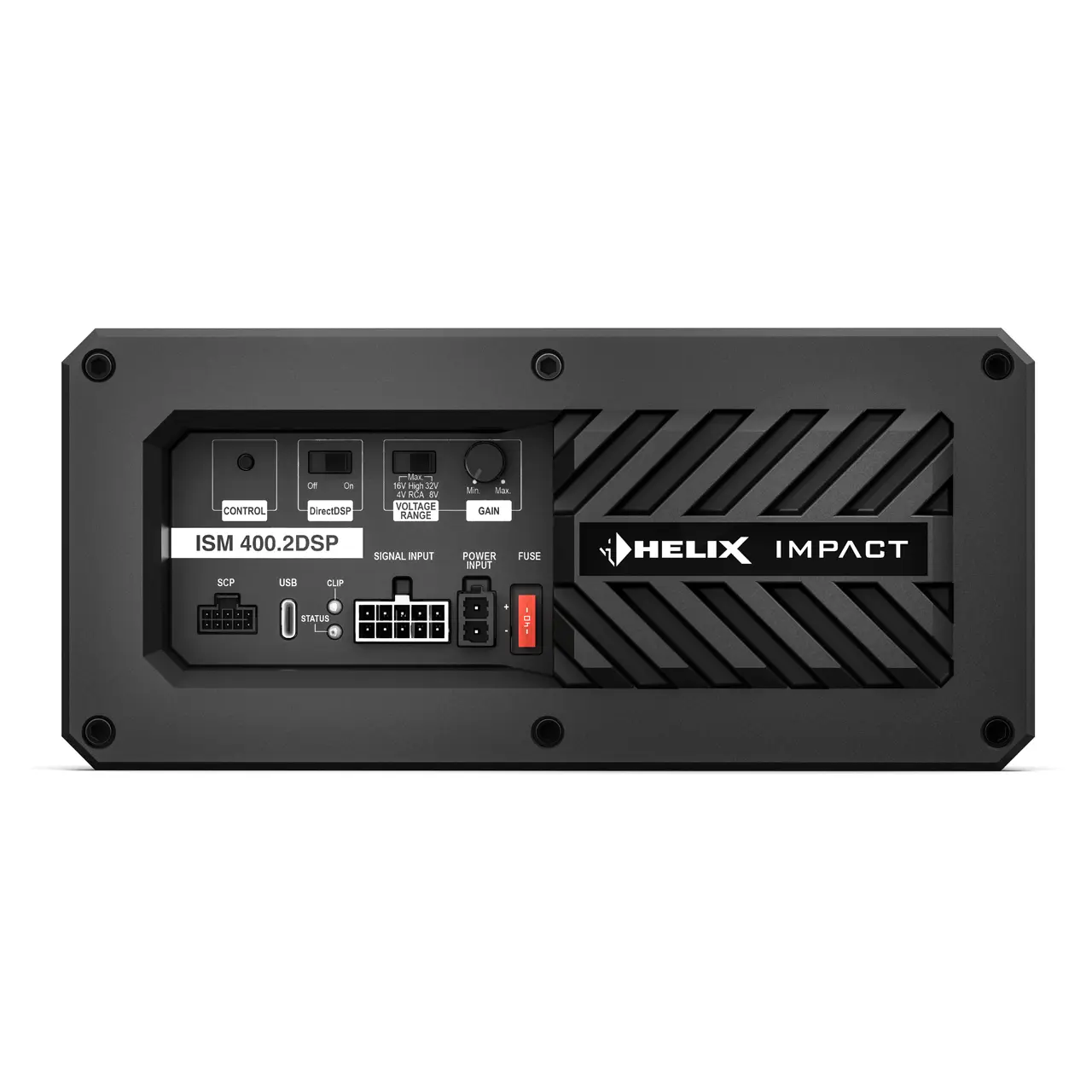
In special cases, an amplifier can also be equipped with a USB or Bluetooth interface. In this case, it's possible to stream directly to the amplifier without a radio, without any detours. This provides the best sound quality. However, it comes at the expense of convenience, as operation is then entirely via your mobile phone.
How much power do I really need?
The motto here is: always a little more than necessary! For example, if you have a speaker system with a specified power handling of around 75 watts, then your amplifier can certainly deliver up to 100 watts per channel. This ensures you can provide a high-quality signal up to the speaker's power handling limit and avoid clipping, as the amplifier will never be operating at its limit. Remember: distortion usually damages the speaker, not the power output. Ultimately, more power from the amplifier also gives you incredibly better dynamics, allowing you to experience a truly immersive, live-like listening experience when enjoying your favorite music.